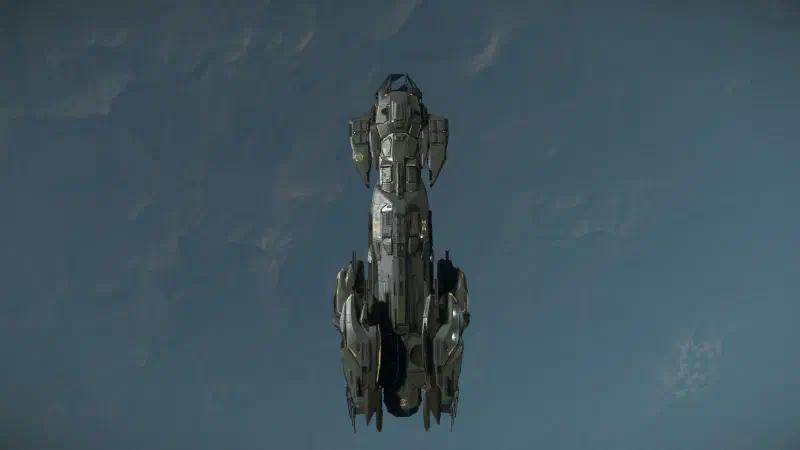
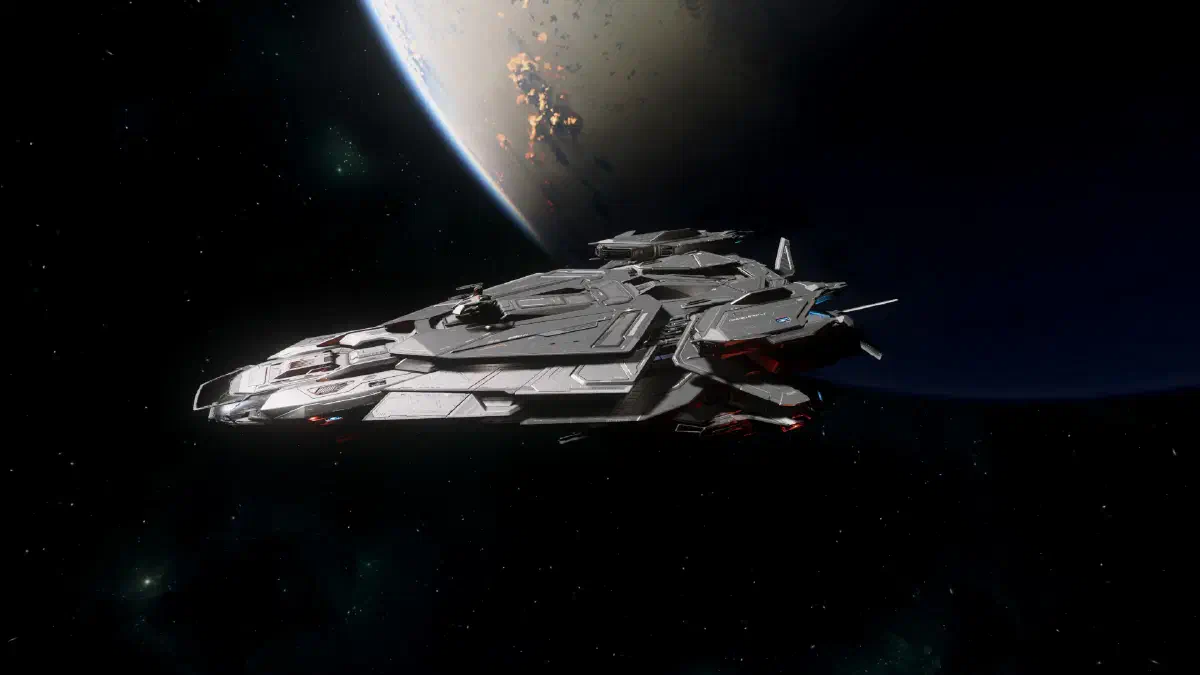
The invitation
Some news makes you put your coffee down for a moment. The reveal of the new RSI Constellation Mk 5 Centaurus was one of those. And when, shortly afterwards, a message lit up on my mobiGlas saying Roberts Space Industries was offering a free test flight to every interested pilot, my plans for the day were thrown out the window faster than a quantum drive can spool.
I read the message three times to make sure there wasn’t an asterisk with fine print hiding anywhere.
First impression
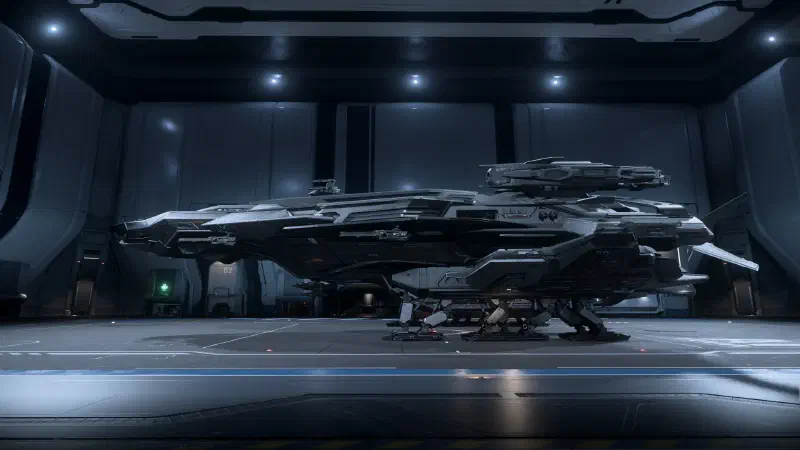
One thing is immediately clear: this ship is big. Not just a little bit bigger. You really have to tilt your head back to take in all of its beauty in the hangar.
The lines are more modern, the shape more triangular, everything looks like it’s cast in one piece. RSI has managed to give the Constellation a new face. Wherever you look, everything has been rethought. If a ship of this size can be beautiful, it’s this one.
Steel and firepower
If, after that first look, you expect the pilot to now have a flying fortress under their thumb, you’ll be surprised. Like the Mk 4, the Mk 5 carries four pilot-controlled size 5 weapons. So nothing has changed about the firepower from the cockpit.
The real progress is elsewhere. The two turrets each carry four size 3 weapons, twice as many as the Mk 4’s turrets. And they’re remote-controlled. Nobody has to squeeze into a cramped dome anymore. The catch: without a crew, these turrets stay silent. If you fly alone, you get nothing out of them.
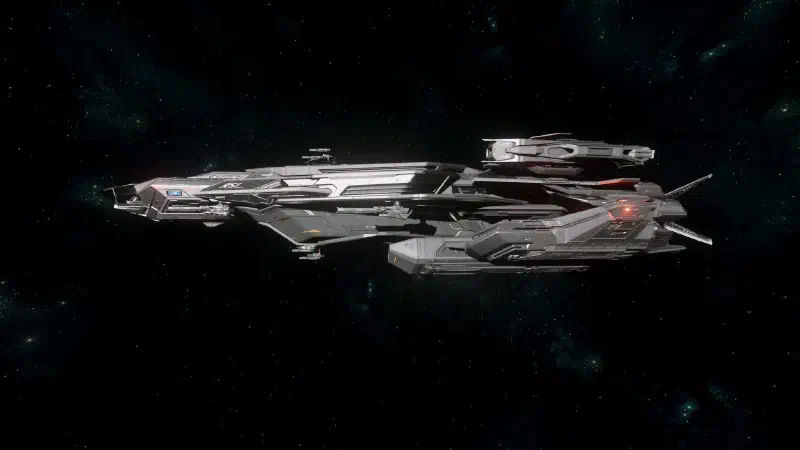
RSI has stepped things up considerably on defense. Two size 3 shield generators instead of one, thicker armor, a sturdier structure and 32 missiles instead of my Taurus’s 24. The Mk 5 is built to take a beating. And to dish one out.
All this mass comes at a price, though. In combat, the Mk 5 is a bit more sluggish and slower than its predecessor. In NAV mode, on the other hand, it pulls away. A ship that would rather travel than dance.
A family with character
To understand what the Mk 5 does differently, it’s worth taking a look at its big sisters. Because the Constellation was never just one ship, but a whole family. Each variant with a mind of its own.
The Andromeda is the fighter among them. Two turrets with two size 3 weapons each, and a missile arsenal that makes even hardened pirates break out in a sweat: 24 size 2 missiles and 28 size 1. Plus the P-52 Merlin, a small snub fighter that launches from the stern when needed and takes care of the annoying little things.
The Aquila would rather look than shoot. Its scanning turret in the nose is its pride and joy, backed up by a turret with two S3 weapons and 24 size 2 missiles in case the unknown bites back. With 96 SCU of cargo space and an Ursa Rover on board, it’s built for everyone who wants to know what lies beyond the next horizon.
The Phoenix is the diva of the family. Luxury wherever you look, 80 SCU for the luggage of high society, and the P-72 Archimedes as an elegant companion. It’s still far from defenseless, quite the opposite: two turrets with two S3 weapons each, 28 size 1 missiles and a point defense system make sure the champagne doesn’t get spilled even under fire.
And then there’s the Taurus. But I’ll get to her in a moment.
Why so big?
That leaves the question every Constellation pilot is probably asking: why did the Mk 5 get so much bigger?
Part of the answer lies in the cargo hold. 240 SCU fit into the Centaurus, plus a docking spot for a small snub fighter. More room for the crew, more comfort on long journeys, more reserves for everything the ‘verse throws at you. All true. And yet I have the feeling that RSI didn’t simply improve the old Constellation here. They built a different ship that just happens to carry the same name.
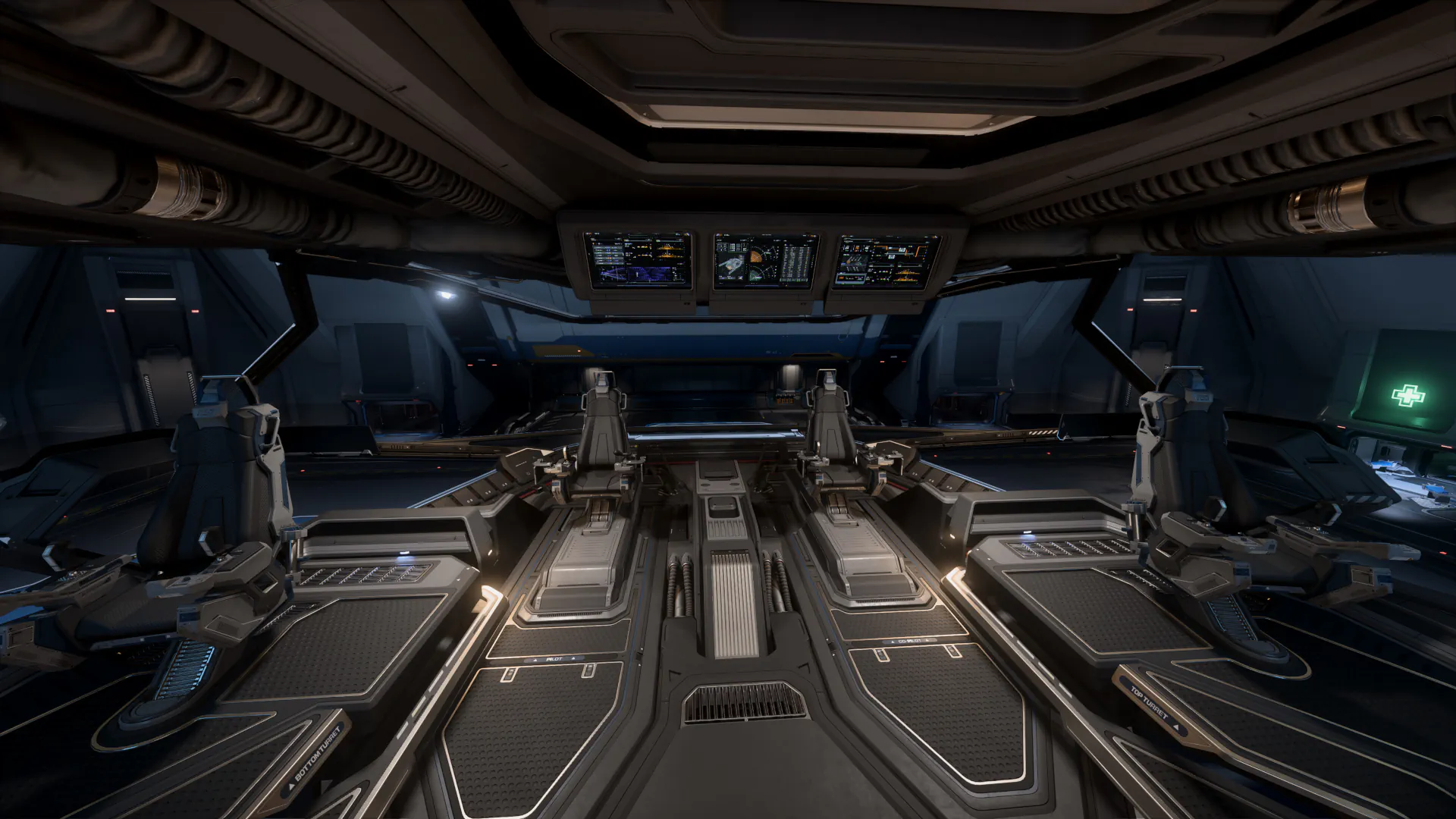
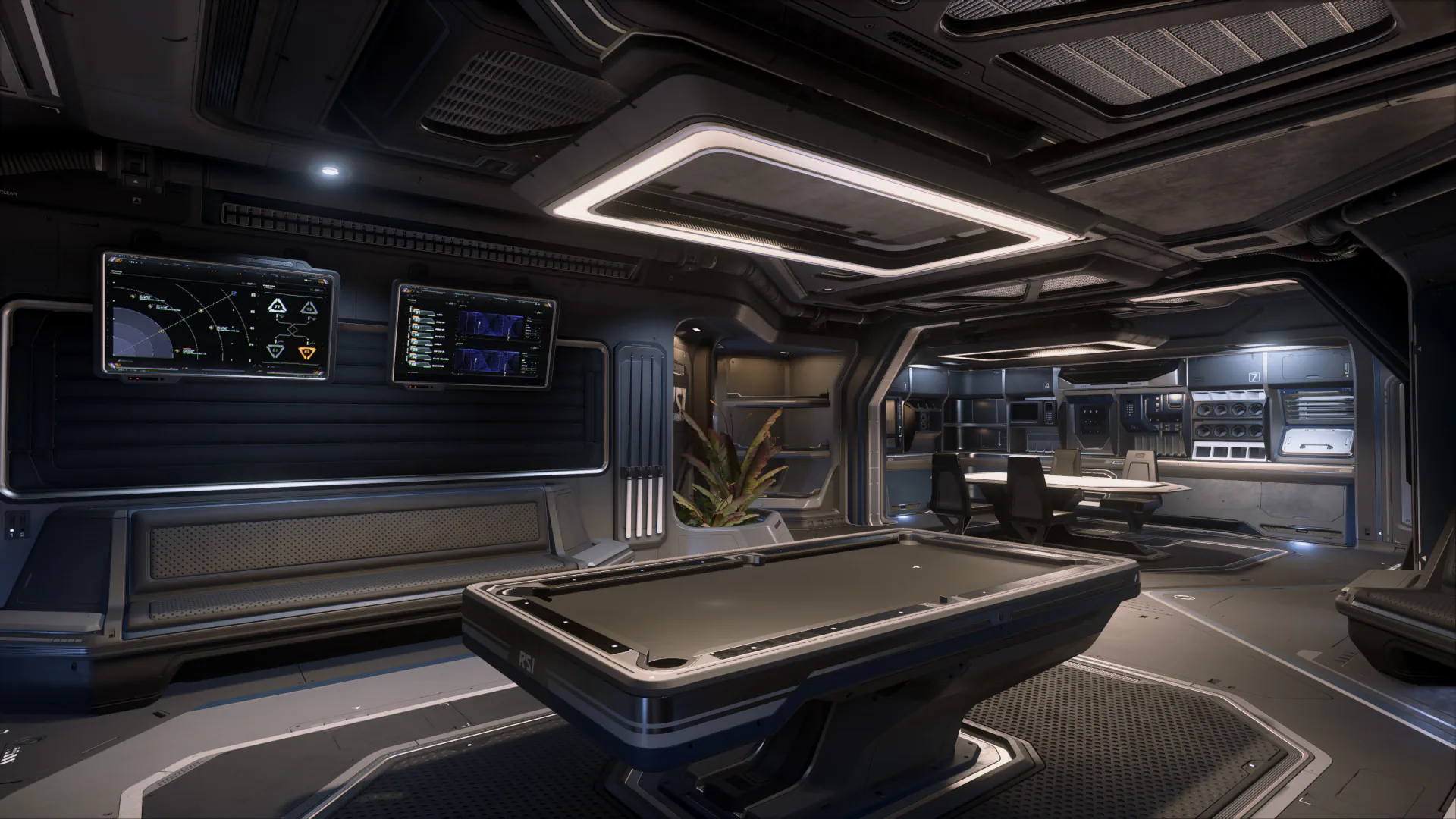
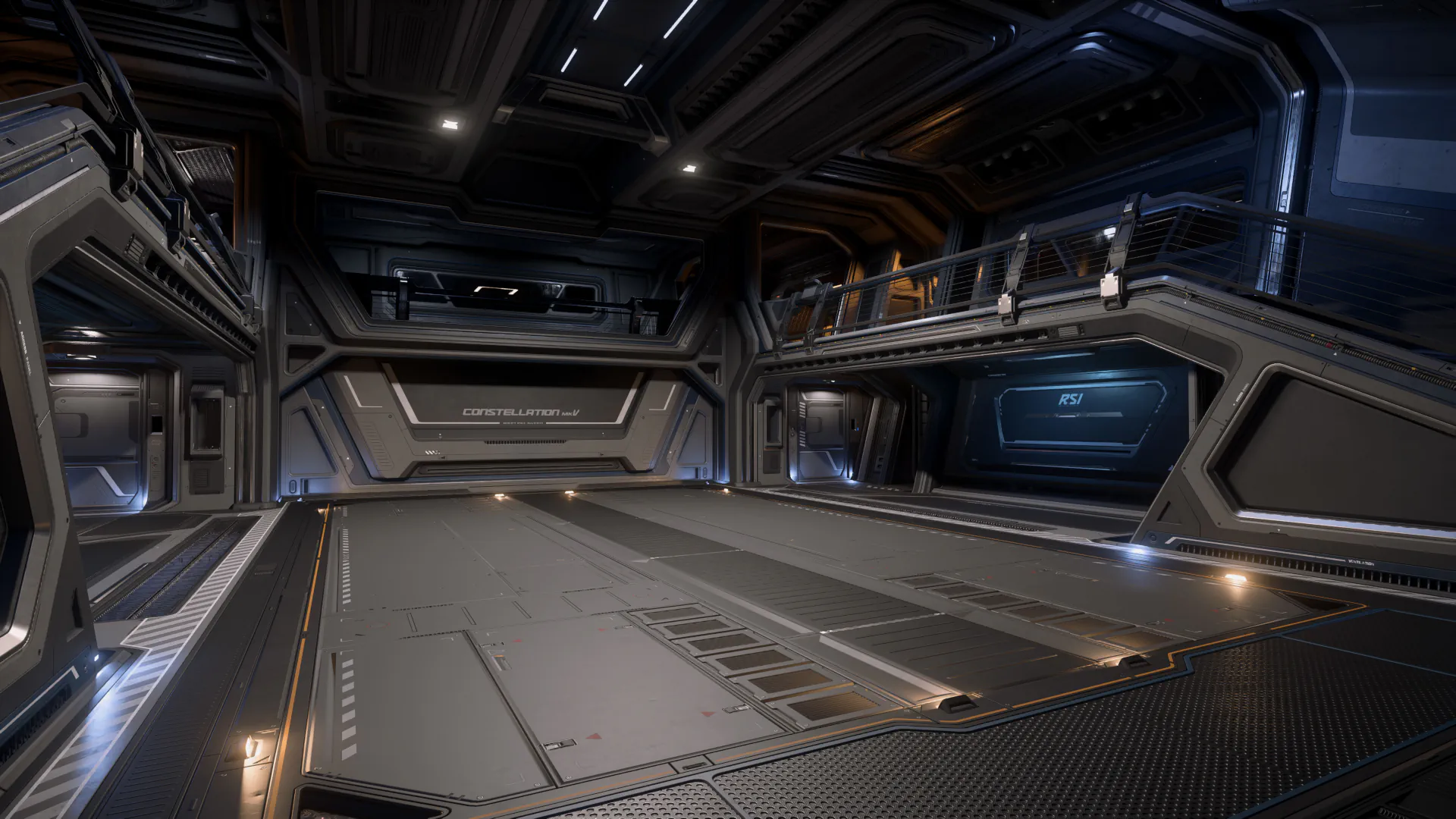
The Constellation always had its firm place. Big enough for a small crew and a decent load, strong enough to defend itself in an emergency, and handy enough that you don’t break out in a sweat on every landing approach.
The Mk 5 plays in a different league. It’s not the big brother, it’s the uncle from the nicer part of town. A ship for well-rehearsed crews, for long distances and for moments when things get uncomfortable. It fills a new niche, and that’s perfectly fine. It’s just that the gap the old Constellation filled all those years hasn’t simply disappeared.
My workhorse
And this is exactly where my Constellation Mk 4 Taurus comes in.
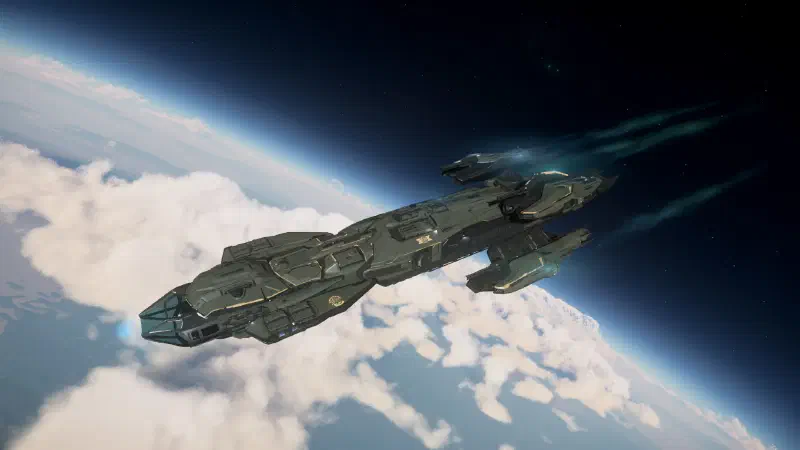
She’s not the youngest anymore. The seat cushions have long since taken on the shape of my backside, the MFDs need a little slap in the morning, and there’s a scratch on the cargo ramp from a landing we’d better not talk about. But she’s never let me down. No cargo too heavy, no flight too far, no job too uncomfortable.
The Taurus doesn’t make a big fuss about herself. One turret with two S3 weapons has to do, but in return there’s a tractor beam turret that’s worth more than any extra cannon when loading. Her cargo hold takes 174 SCU: 168 of them out in the open on the cargo deck and 6 more shielded against scanners. After all, you don’t want to declare every load at customs.
Don’t get me wrong, the Mk 5 is a great ship. But for me, the old Constellation is still the best design RSI has ever built. There are ships you fly, and there are ships you fly with. My Taurus belongs to the second kind. She’s my workhorse, and she remains my medium hauler of choice.
Maybe I’ll treat her to a new paint job soon. Something fresh, something that covers the marks of the last few years. Then she’ll be as good as new.
And when I’m standing next to a brand-new Mk 5 on the landing pad with her, we’ll see who gets the looks. At least from those who know what really matters.